Welcome to WordPress. This is your first post. Edit or delete it, then start writing!
Blog
-
A Short History of Perfumes Around the World
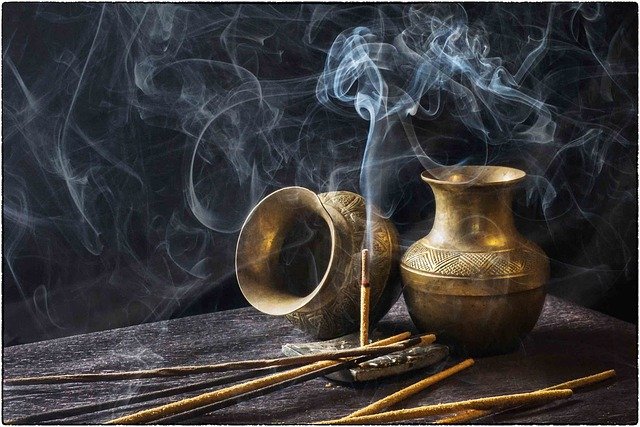
Perfume has been part of human life for thousands of years — a bridge between nature, ritual, beauty, and even trade.
The ancient Egyptians were among the first to make scented oils for ceremonies, daily wear, and mummification. Cleopatra was said to scent the sails of her ship so that the winds would carry her arrival far ahead.
The Greeks and Romans expanded perfume use across the Mediterranean, importing spices, resins, and flowers from Arabia and India. They believed fragrance wasn’t just luxury — it was part of health, seduction, and status.
During the Middle Ages, Arab traders perfected the art of distillation, extracting essential oils from flowers and woods — an innovation that laid the foundation for modern perfumery. This knowledge travelled to Europe through trade routes like the legendary Frankincense Route, where caravans carried precious resins and spices across deserts and seas.
In Grasse, France, perfume production flourished in the 17th and 18th centuries, thanks to endless fields of jasmine, roses, and lavender. Paris soon became the world’s perfume capital — combining fine ingredients, elegant bottles, and luxury branding that turned scent into fashion.
Meanwhile, the Middle East kept its own deep traditions alive — burning oudh, using attars, and making perfumes that blend centuries-old recipes with modern trends.
Today, perfumery is truly global — mixing Arabian traditions, French luxury, Indian attars, and modern synthetic notes into scents that travel across continents.
Every bottle you open is a small link to this long, fragrant history — a reminder that scent connects us to nature, memory, and each other.
At Sitara.Pro, we celebrate this timeless journey — by bringing affordable Dubai-made perfumes to India’s thriving market, and helping you share in this beautiful story.
-
Why Your Sense of Smell Shapes Your Mood
When you spray your favorite perfume, you’re not just adding a scent — you’re activating one of the most powerful tools you have for shifting your mood and emotions: your sense of smell.
Our sense of smell is ancient and deeply wired into our brains. Unlike other senses, scent travels directly to the limbic system, the part of the brain that controls memory, emotion, and behavior. That’s why a single whiff of a familiar fragrance can instantly transport you to a childhood memory, make you feel calm and grounded, or lift your spirits on a difficult day.
🌿 The Science of Smell & Mood
Scientists have long studied how scents influence our feelings and mental state. Research shows that certain scents — like lavender, sandalwood, or rose — can reduce anxiety and promote relaxation. Others, like citrus, mint, or spicy notes, boost alertness, energy, and focus.
This is not just psychology — it’s biology. When we smell something pleasant, our brain releases dopamine and serotonin, the “feel-good” chemicals that improve our mood and lower stress.
In ancient times, this power was used through incense and natural oils to calm the mind for prayer or meditation. Today, we can use perfumes and attars to create the same emotional effects, whenever we need them.
✨ How to Use Perfume to Shape Your Mood
Here are a few practical ways to use fragrance as a daily mood booster:
✅ 1️⃣ Start Your Day Right — Choose fresh, uplifting scents in the morning. Citrus, mint, or light florals like orange blossom or neroli can wake you up and energize you for the day.
✅ 2️⃣ Calm Stress & Anxiety — When you’re feeling tense, reach for perfumes with lavender, sandalwood, or subtle musks. These notes have been shown to calm the nervous system.
✅ 3️⃣ Boost Confidence — Deep, warm scents like oudh, amber, or spicy blends can make you feel grounded and more assertive — perfect for important meetings or social occasions.
✅ 4️⃣ Create a Bedtime Ritual — Soothing scents like rose, jasmine, or chamomile can help you unwind and sleep better. Try a light mist on your pillow or a gentle dab on your pulse points.
✅ 5️⃣ Anchor a Memory — Want to make a moment unforgettable? Wear a special scent on big days — weddings, celebrations, or travel — and it will become a scent memory you can revisit anytime.
🌍 Your Signature Scent is Your Mood Signature
Choosing a fragrance is more than picking a smell you like — it’s about picking how you want to feel. Do you want to feel fresh and lively? Sophisticated and bold? Warm and comforting?
At Sitara.Pro, we believe in fragrances that match every mood — whether you want the rich, deep notes of classic oudh, the playful sweetness of florals, or the clean spark of citrus. We carefully source affordable Dubai-made perfumes so you can experiment, layer, and switch scents as your mood shifts — because you don’t feel the same every day, and your fragrance shouldn’t either.
✅ Final Thought
Your sense of smell is a hidden superpower — invisible but unforgettable. Use it well, and every spray becomes a secret tool for shaping your mood, your memories, and your day.
At Sitara.Pro, we’re happy to have you in best of your mood — sourcing fine, affordable Dubai perfumes for Indian buyers who appreciate fragrance as part of life’s daily feeling good.
Feel like a Star — every single day.
-
The Evolution of Dubai’s Perfume Industry
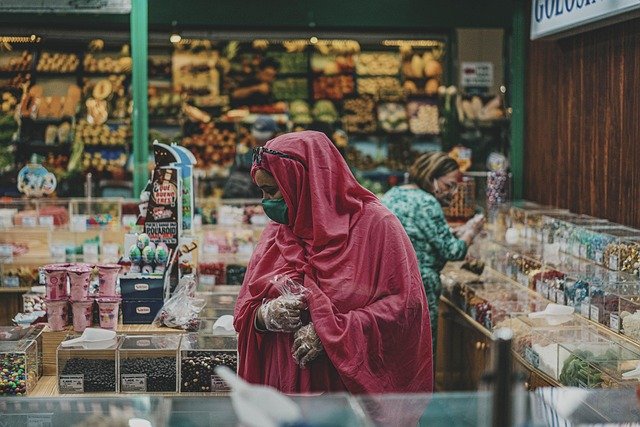
✅ The Evolution of Dubai’s Perfume Industry
When you think of Dubai, you might picture glittering skyscrapers, luxury shopping malls, and fast cars. But behind the modern glamour, there’s a centuries-old tradition that makes Dubai one of the world’s hidden fragrance capitals: perfume.
Dubai’s love affair with scent goes far deeper than just luxury — it is woven into daily life, family traditions, hospitality, and spirituality. Let’s explore how Dubai’s perfume industry evolved from ancient roots to a modern global business.
🌿 Ancient Roots — Oudh, Attars, and Bakhoor
Long before Dubai’s skyline rose from the desert, the Arabian Peninsula was famous for its oudh (agarwood), fragrant resins like frankincense and myrrh, and natural oils known as attars. Oudh is still one of the world’s most expensive raw perfume materials — it’s formed when certain trees become infected with a special mold, creating a deep, woody, slightly sweet scent that’s treasured across the Middle East and Asia.
Traditional Arabic households burn bakhoor — chips of fragrant wood soaked in oils — to scent clothes, homes, and guests. Perfume here is not just about smelling good; it’s about welcoming guests, marking special occasions, and even expressing personal identity.
⚓ A Hub of Ancient Trade Routes
Dubai’s location made it a natural fragrance crossroads. For centuries, merchants traveled along the Frankincense Route, bringing resins from Oman and Yemen to the ports of the Persian Gulf. From here, spices and fragrant woods were traded with India, Africa, and Europe.
These trade networks made the Gulf a melting pot of scent traditions — blending Arabian, Persian, Indian, and African influences that still shape Dubai perfumes today.
🏙️ Modern Boom — From Souks to Global Brands
As Dubai transformed from a pearl-diving village into a global city, its perfume industry evolved too. The traditional souks (markets) are still bustling with perfume shops selling oudh oils, attars, and customized blends in tiny glass vials.
But alongside these old shops, modern factories now produce mass-market sprays, deodorants, and branded perfumes that compete with French designer labels. Many Dubai perfume houses — like Ajmal, Rasasi, Swiss Arabian — have expanded internationally, selling affordable scents that appeal to both local and global tastes.
Dubai’s makers combine classic Arabian ingredients — oudh, rose, saffron — with modern Western perfume styles, creating blends that feel both exotic and familiar.
💡 Why Dubai Perfumes Are So Popular
Dubai perfumes stand out for a few reasons:
✅ Rich, long-lasting scents: Many are oil-based or have higher concentrations than typical Western perfumes.
✅ Unique combinations: They mix heavy oudh and spice with florals, fruits, and sweet notes — appealing to a wide range of customers.✅ Affordable luxury: Compared to expensive designer brands, Dubai-made perfumes often deliver premium-looking packaging and long-lasting fragrance for a fraction of the price.🌍 Dubai to Delhi — A Growing Connection
Today, Dubai’s perfume trade reaches far beyond the UAE. Many Indian traders and retailers source perfumes and attars from Dubai because of the variety, quality, and prestige associated with “Dubai Made.” The connection is natural — India’s own history of perfumery, from Kannauj attars to ancient temple rituals, pairs beautifully with Dubai’s fragrance culture.
✨ A Fragrant Future
As global tastes change, Dubai’s perfume industry is adapting fast — from big brands to small family-run businesses blending custom scents. E-commerce and travel retail have opened new doors, while traditional attars and oudh blends remain timeless bestsellers.
At Sitara.Pro, we’re proud to build on this rich heritage — sourcing fine, affordable Dubai perfumes for Indian buyers who appreciate fragrance as part of life’s daily beauty.
From Dubai to Delhi — with love, for you.
-
The Science & Art of Fragrances: How Scents Are Made
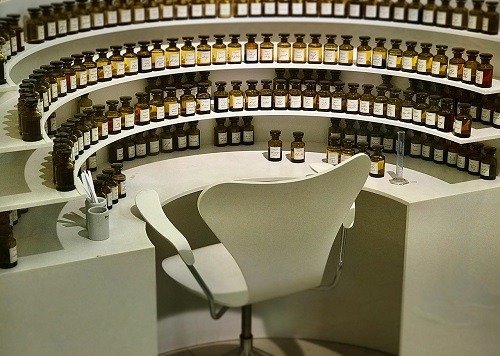
Perfume is far more than just a pleasant smell — it is one of humanity’s oldest and most delicate crafts, blending chemistry, art, and emotion in every drop. For centuries, people have captured the scents of nature — flowers, spices, woods, and resins — and transformed them into portable, wearable beauty.
But how exactly is a fragrance made? What turns raw flowers or precious wood into a bottled memory? Let’s take a closer look.
🌿 Where It All Begins: Natural & Synthetic Ingredients
The art of perfumery starts with ingredients — called raw materials in the industry. Traditionally, perfumers extracted oils from flowers like jasmine, rose, tuberose, and orange blossom. Other materials include woods like sandalwood, resins like frankincense, and animal-derived ingredients like musk (today usually replaced with ethical synthetic versions).
Modern perfumery also relies heavily on synthetic molecules. Why? They help recreate rare scents sustainably and make fragrances more affordable and consistent. Some iconic scents, like lily of the valley, cannot be extracted naturally — so perfumers recreate them using lab-made aroma molecules.
🧪 The Role of the Perfumer — The “Nose”
Crafting a scent requires a specialist called a “Nose.” These highly trained experts have an extraordinary sense of smell and memory for thousands of ingredients.
A Nose doesn’t just mix pleasant smells randomly — they design complex scent structures with a clear idea: What emotion should the perfume create? Who will wear it? How should it evolve on the skin over hours?
✨ Top, Heart, and Base Notes — A Fragrance Pyramid
Perfumes are usually built like a pyramid:
-
Top Notes: The first impression — fresh and light — like citrus, herbs, or green notes.
-
Heart (Middle) Notes: The main character — florals, spices, or fruits that appear once the top notes fade.
-
Base Notes: The foundation that stays longest — deep woods, musk, amber, or resins that linger for hours.
When you spray a perfume, you experience this journey: a lively opening, a rich heart, and a warm, lasting base.
⚗️ Extraction & Blending — Where Science Comes In
Transforming raw materials into perfume requires advanced extraction methods:
-
Distillation: Steam extracts oils from flowers and herbs.
-
Solvent Extraction: Used for delicate flowers that can’t handle heat, producing what’s called an absolute.
-
CO₂ Extraction: A modern, clean method that preserves more of the natural scent.
The Nose blends these extracts with alcohol (or oil, for attars) and sometimes water, to create the final formula. Every formula is carefully tested, adjusted, and aged — just like wine.
🌍 The Art: Culture & Trends Shape Scents
The “art” of fragrance is how a culture and era shape what we want to smell like. In the Middle East, rich oudh, smoky resins, and heavy spices are timeless favorites. In France, fresh florals and powdery musks have ruled for centuries. Modern trends blend East and West — a Dubai-made perfume may mix French florals with Arabic oudh in one bottle.
Packaging is also part of the art — a beautiful bottle turns perfume into a small luxury gift.
💫 A Drop of Emotion
Perhaps the most magical thing is that no two people will wear the same perfume in exactly the same way. Our skin chemistry, climate, and body heat all influence how a scent develops. That’s why perfume is deeply personal — a bottled memory that can lift your mood, remind you of a moment, or make you feel instantly elegant.
✅ The Sitara.Pro Promise
At Sitara.Pro, we honour this ancient craft by sourcing good-quality Dubai perfumes that blend tradition, modern trends, and accessible prices. From attars and oudh to light daily wear scents, our mission is to bring a drop of this art and science to more people — from Dubai to Delhi, and beyond.
Feel Like a Star — with every spray.
-
-
Why Incense and Fragrance Are So Fundamental to Rituals & Prayers

Since ancient times, humans have used fragrance and incense as a bridge between the material and the spiritual world. Almost every culture — from ancient Egypt and India to China and the Middle East — has used aromatic resins, oils, and incense during rituals and prayers.
But why is fragrance so important in spiritual practices?
When we burn incense or wear a pure perfume, it purifies the surroundings and the mind. The rising smoke is symbolic — it carries our prayers, intentions, or gratitude upward. The soothing scents calm our thoughts and help us focus, creating a sacred space, whether in a temple, mosque, church, or home altar.
In India, agarbatti (incense sticks) and attars are offered in daily rituals to invoke peace and good energy. In the Middle East, oudh and bakhoor are burned during gatherings and prayers to purify spaces and welcome blessings.
Even today, a familiar fragrance can instantly make a space feel pure, peaceful, and connected to something higher.
So next time you light incense or choose a fragrance for a prayer, remember: it’s more than just scent — it’s a timeless link to our inner calm and collective faith.
At Sitara.Pro, we respect the deep connection between fragrance and ritual — it’s part of why we care so much about where our perfumes come from and how they’re made.
-
How Paris Became the Perfume Capital
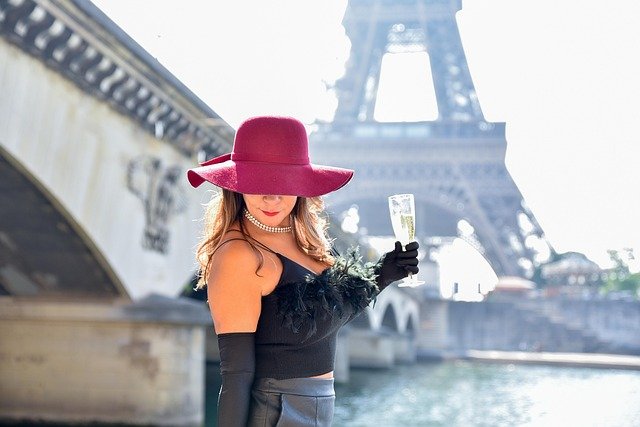
When we think of luxury perfumes today, one city rises above all others: Paris. The French capital is home to legendary fragrance houses like Chanel, Dior, Guerlain, and countless niche perfumers whose tiny glass bottles are symbols of elegance and sophistication worldwide.
But how did Paris become the heart of the modern perfume world? The story is a fascinating blend of royalty, craft, culture, and clever business — and it’s still shaping the global fragrance industry today.
🌿 The Seeds Were Planted in Ancient France
Perfume in France dates back to the Middle Ages, when Crusaders brought back exotic resins, spices, and flowers from the East. By the 12th century, perfumed gloves became fashionable in France’s royal courts — a trend that would later launch an entire industry.
But it was during the Renaissance that perfumery truly blossomed. Queen Catherine de Medici — originally from Italy — brought her personal perfumer, Rene le Florentin, to France in the 16th century. She loved scents so much that she had hidden perfume flasks built into her gloves to protect herself from possible poisonings. The French aristocracy quickly followed her example.
🌼 Grasse: The Fragrant Countryside
By the 17th and 18th centuries, the small town of Grasse, in the sunny hills of Provence, emerged as Europe’s perfume flower capital. Originally famous for tanning leather, Grasse tanners began scenting leather gloves to mask the strong smell of animal hide.
The region’s mild climate and fertile soil made it ideal for growing jasmine, rose, lavender, and orange blossom — flowers that are still essential to many French perfumes today. Soon, Grasse’s small family-run distilleries supplied luxurious essences to Parisian perfumers.
👑 Royalty & the Birth of French Luxury
Perfume’s real golden age came during the reign of King Louis XIV, known as the “Perfumed Court.” Louis loved scents so much that fountains at Versailles sometimes flowed with rosewater instead of water. Royal courtiers wore scented wigs, gloves, handkerchiefs, and even furniture was spritzed with perfume.
This royal obsession made fragrance not just a hygiene necessity (remember, bathing was rare!) but a powerful marker of status and sophistication.
🏙️ Paris Takes Over — The Rise of Perfume Houses
By the 19th century, with the Industrial Revolution and new scientific advances in chemistry, Paris became the hub for modern perfume creation. Artisans mastered new extraction and distillation techniques, unlocking more complex scents.
In the 1800s and early 1900s, iconic houses like Guerlain and Caron emerged, creating the first “modern” perfumes that blended natural oils with newly discovered synthetic ingredients. This changed everything — perfumes could now be lighter, more varied, and more affordable than ever before.
In 1921, Chanel No. 5, designed by Coco Chanel and the perfumer Ernest Beaux, revolutionized the perfume industry with its abstract, powdery floral blend. It was one of the first scents to mix natural and synthetic ingredients so seamlessly, setting a standard for the new century.
🎨 Art, Fashion & Marketing — The French Touch
What really made Paris stand out wasn’t just the quality of its fragrances, but how it combined them with art and fashion. Parisian perfumers turned bottles into works of art. Designers like Chanel, Dior, and Yves Saint Laurent used fragrance to expand their couture empires, selling a dream of luxury that millions could afford.
French perfume became not just a scent, but a symbol — of romance, elegance, and the mysterious allure of Parisian style.
🌍 A Global Legacy
Today, Paris remains the benchmark of luxury perfumery. Major houses still launch new scents in the same historic boutiques on the elegant streets of Paris. Grasse continues to supply the world’s best flower essences, and young indie perfumers keep the tradition alive with daring, modern blends.
✅ What Does This Mean for Sitara?
While Paris holds the crown, other perfume hubs — like Dubai — have grown by blending ancient Eastern fragrance traditions with modern global trends. Many Dubai perfume makers even draw inspiration from French classics while adding rich oudh, spices, and attars for a new twist.
At Sitara.Pro, we celebrate this shared global story — bringing affordable Dubai-made perfumes to India, where fragrance is also woven into everyday life. From Grasse fields to Dubai souks, from Paris catwalks to Delhi streets — perfume is the timeless language that connects us all.
Feel like a Star — every day, everywhere.